Cost Segregation in 2026: How Investors Use 100% Bonus Depreciation to Erase a Tax Bill in One Year
A cost segregation study reclassifies part of a rental building into 5-, 7-, and 15-year property — and with 100% bonus depreciation now permanent, investors are using it to wipe out five-figure tax bills in the same year they close.
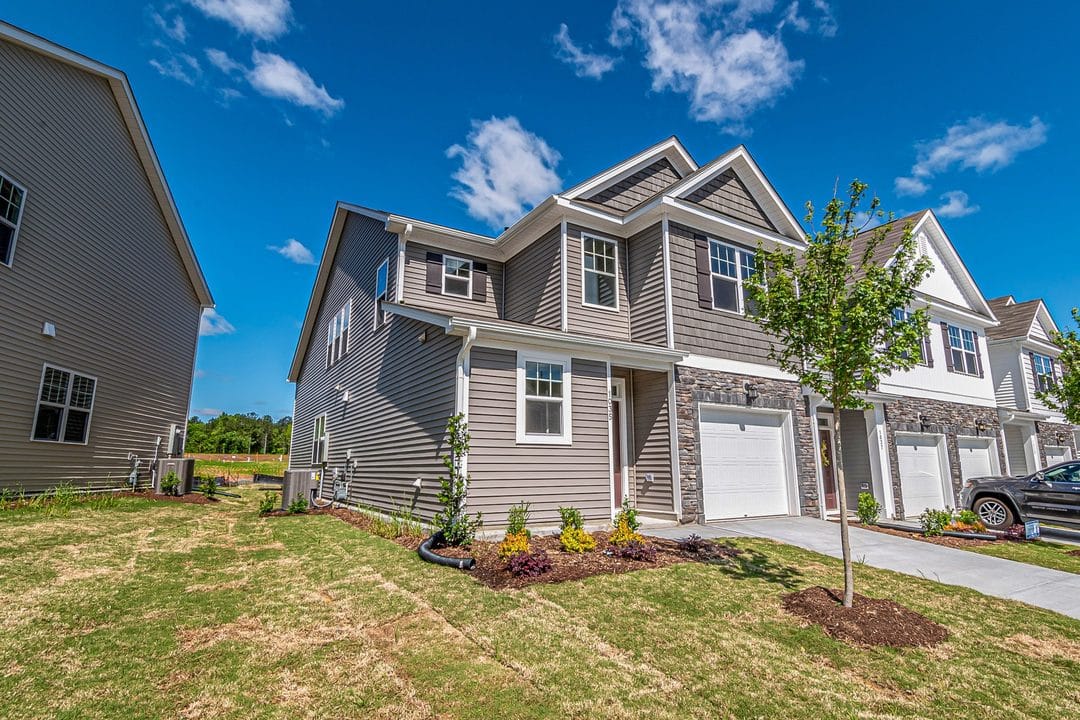
Marcus Webb closed on a $485,000 fourplex in Charlotte in March, and by the time his accountant ran the numbers in July, the depreciation schedule alone had shaved his federal tax bill by more than his mortgage payment for the year. He didn't do anything unusual with the financing — a standard 25% down, 30-year DSCR loan. What changed his return was a cost segregation study he ordered six weeks after closing, and the 100% bonus depreciation that the One Big Beautiful Bill Act made permanent for property placed in service after January 19, 2025.
What a cost segregation study actually does
Under standard IRS rules, a residential rental building depreciates over 27.5 years, straight-line, no exceptions. That's the default every buy-and-hold investor learns first: divide the building value by 27.5, deduct that amount every year, done. A cost segregation study breaks that single number into pieces. An engineer walks the property — or, for smaller deals, reviews architectural plans and cost records — and reclassifies specific components as 5-year, 7-year, or 15-year property instead of 27.5-year property. Carpeting, certain electrical runs dedicated to appliances, decorative millwork, parking lot paving, landscaping, and fencing all qualify for the shorter schedules under the Modified Accelerated Cost Recovery System.
On a typical single-family or small multifamily rental, a properly documented study reclassifies somewhere between 20% and 35% of the building's depreciable basis into those shorter-life categories. On Webb's fourplex, the building basis after subtracting land value came to roughly $390,000. The study identified about $109,000 — 28% — as 5-, 7-, and 15-year property. Under the old rules, that $109,000 would have trickled out over five, seven, and fifteen years. Under 100% bonus depreciation, all of it hit his 2026 return in one shot.
Why the 2025 law changed the math
Bonus depreciation has a messy recent history worth knowing before you spend money on a study. The 2017 Tax Cuts and Jobs Act set it at 100% through 2022, then scheduled a phase-down: 80% in 2023, 60% in 2024, 40% in 2025. Investors who bought in 2024 and ordered a cost segregation study only got to write off 60% of the reclassified basis immediately, with the rest depreciating on its normal shorter schedule. That math didn't always justify a $5,000–$15,000 study fee on a modest property. The One Big Beautiful Bill Act reset the clock — property placed in service after January 19, 2025 gets 100% bonus depreciation again, and this time it's written into the code as permanent rather than a temporary provision Congress has to renew.
What a study costs and when it pays for itself
Full engineering-based studies from firms like KBKG, CSSI, or Madison SPECS typically run $5,000 to $15,000 for a single property, scaling with square footage and how many trips the engineer needs to make. Some firms offer desktop or "residential" studies for smaller rentals — under $500,000 in purchase price — that run closer to $1,500 to $3,000 by relying on cost estimation software and public records instead of a full site visit. Either way, this isn't a project for TurboTax's built-in depreciation calculator. The IRS Audit Techniques Guide for cost segregation specifically flags studies that rely on "rule of thumb" percentage allocations without engineering support as the ones most likely to get challenged. Run the break-even math before you order one. A study that costs $6,000 and reclassifies $80,000 into bonus-eligible categories saves roughly $19,200 in the first year for an investor in the 24% marginal bracket — the study pays for itself more than three times over in year one alone. Below roughly $150,000 in purchase price, the fee usually isn't worth it; the reclassified basis is too small to move the needle against a flat $2,500–$4,000 study cost.
The passive loss wall most investors hit
Here's where the strategy gets complicated, and where a lot of investors get burned by advice that stops one step too early. Rental losses are passive by default under IRS rules, and passive losses can only offset passive income — not the W-2 salary that's usually the biggest chunk of an investor's tax bill. If you're not a real estate professional (750+ hours per year, more than half your working time, in real property trades) and your modified adjusted gross income is above $150,000, that depreciation loss from the cost segregation study doesn't touch your salary at all. It carries forward, waiting for future passive income or a sale. There's a workaround that's gained serious traction since 2023: the short-term rental loophole. If a property averages seven days or fewer per guest stay and you materially participate in operating it, the loss counts as non-passive regardless of your income or professional status. That's a separate set of tests from the ones covered in this blog's short-term rental math piece — worth re-reading if the STR angle is new to you, because material participation has its own 100-hour and "more than anyone else" tests that trip people up.
Depreciation recapture is the bill that comes due later
Every dollar depreciated gets taxed on the way out. When you sell, the IRS recaptures depreciation on the 5-, 7-, and 15-year property at ordinary income rates up to 25% under Section 1250 rules, and the accelerated deductions from a cost segregation study mean there's more to recapture than under straight-line depreciation. This is not a reason to skip the study — deferring tax at today's marginal rate in exchange for paying it later, potentially in a lower bracket or after a 1031 exchange defers it again, is still a good trade for most investors holding for the long term. But don't run the numbers as if that depreciation simply vanishes. It's parked, not forgiven. A 1031 exchange resets the clock without triggering the recapture bill, which is exactly why investors doing back-to-back cost segregation studies on a growing portfolio tend to also be the investors who never sell outright — they exchange into the next property and let the depreciation clock start over on a bigger basis.
Timing the study matters more than most investors realize
A cost segregation study doesn't need to happen in the year you buy. IRS Form 3115 lets you catch up missed depreciation on a property you've owned for years without amending prior returns — a "look-back" study. That makes this a live option even for a rental you bought in 2019 and never thought to segregate. The catch-up adjustment flows through as a single deduction in the current tax year under Section 481(a), which for an investor sitting on a decade-old duplex can mean a five-figure deduction landing all at once. Order the study before year-end if the property was placed in service this year and you want the deduction on this year's return. Firms typically need four to six weeks to turn around a full report, longer for larger multifamily deals with multiple buildings on one parcel.
Who should skip this entirely
Skip it if you're planning to sell within two to three years — the recapture bill will land almost immediately, and you'll have paid $6,000+ for a deduction that barely had time to work. Skip it if your portfolio is entirely passive income with no W-2 salary to shelter and no real estate professional status; the loss will carry forward for years with no current benefit. Also skip it below the $150,000 purchase price threshold mentioned earlier — a rule-of-thumb study built on hope rather than engineering documentation is the exact profile the IRS's own audit guide singles out for scrutiny. Order it if you closed on a rental this year above $250,000, you have real W-2 or business income to offset (or STR material participation), and you're planning to hold at least five years. That's the profile where the math consistently works, not just in Webb's case but across the deals investors bring to cost segregation firms every tax season.