Assumable Mortgages in 2026: How Investors Are Taking Over 4% Loans in a 6.7% Market
With new mortgages running near 6.7-6.8% and existing loans averaging 4.4%, a small pool of investors is buying rental property by taking over sellers' FHA and VA loans instead of originating new debt.
The Listing With the Number That Actually Mattered
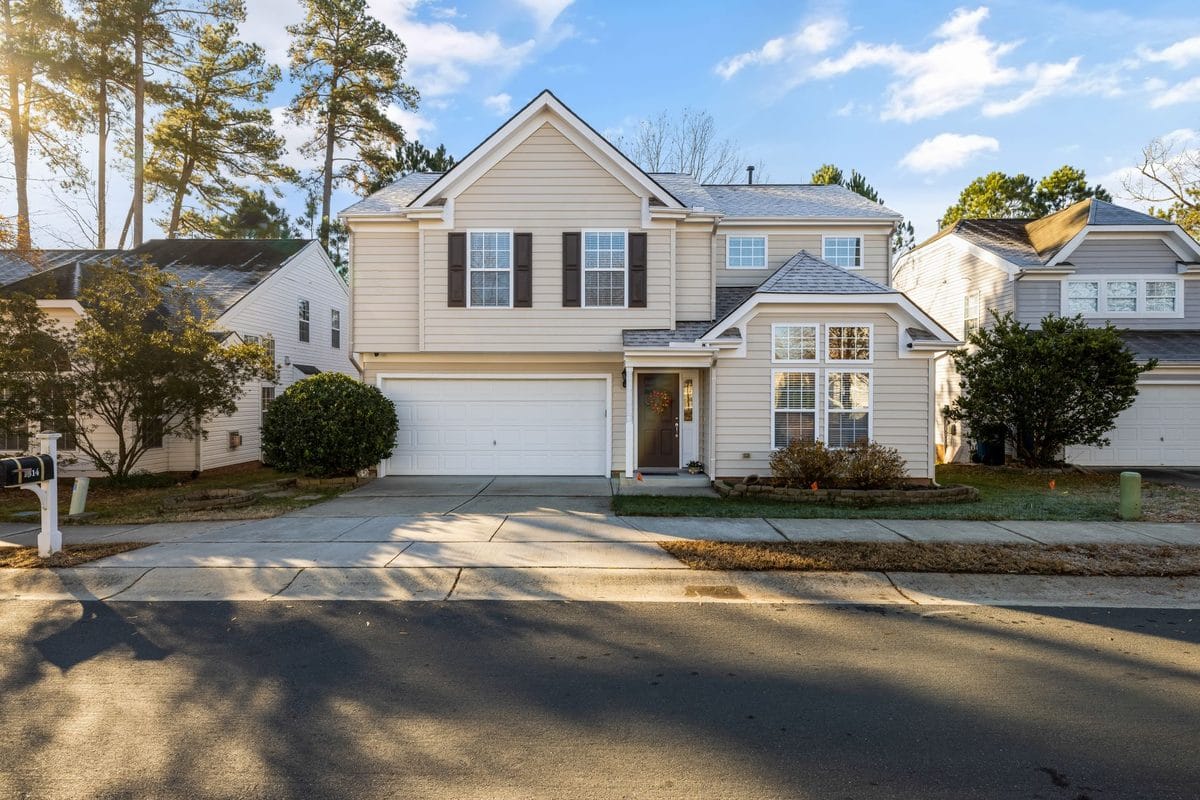
A three-bedroom rental outside Greenville, South Carolina, listed for $315,000 in late July 2026, and the figure that made investors take a second look wasn't the sale price. Buried in the disclosures was a $187,400 FHA loan carrying a 4.125% rate, originated back in 2021, with the balance and terms open to any qualified buyer willing to step into the seller's shoes instead of financing a new mortgage. At today's average new-purchase rate — 6.79% on Bankrate's Thursday, August 6 reading, with Freddie Mac's weekly survey putting the 30-year fixed at 6.69% — that spread works out to roughly $520 a month on the mortgage payment alone for a loan this size. Investors who've spent 2026 watching their DSCR quotes creep toward 7% are starting to notice listings like this one, and a small but growing slice of them are structuring deals specifically to take over someone else's cheap debt rather than originate new debt of their own. The catch, and there's always one with assumptions, is that the seller's equity doesn't come free — the buyer still has to pay for it, just not through the mortgage.
The Rate Gap That Made This Worth Doing
The math behind the sudden interest is straightforward. Freddie Mac's data puts the average rate on existing outstanding mortgages at roughly 4.4%, while new 30-year originations were running in the high 6% range this week — a gap of more than two full points that simply didn't exist at this scale before 2022. That's the lock-in effect economists have been writing about for two years now, mostly in the context of homeowners refusing to sell and give up a 2021 refinance. What gets less attention is the flip side: buyers, including investors, who would rather inherit that 2021 rate than originate a new loan at whatever the market is charging in August 2026. On a $300,000 balance, the difference between 4.4% and 6.7% runs close to $460 a month — real cash flow on a rental property, not a rounding error.
How Loan Assumption Actually Works
Not every mortgage can be assumed — and that detail kills most attempts before they even start.
Conventional loans sold to Fannie Mae or Freddie Mac carry a due-on-sale clause that lets the lender call the full balance the moment title changes hands, which is why assumption never became a mainstream investor tool during the low-rate years. Loans backed by the federal government are the exception: FHA, VA, and USDA loans are assumable by design, and the buyer doesn't have to match the seller's original qualification profile beyond meeting the lender's current credit and income standards. That's a fundamentally different transaction than a normal purchase, because the servicer — not the seller — decides whether the buyer qualifies, and the interest rate, remaining term, and payment structure all transfer exactly as written on the original note.
VA Loans — the Assumption Everyone's Chasing
VA loans draw the most attention in assumption circles for one reason that surprises people: the buyer doesn't have to be a veteran. Any civilian who clears the lender's underwriting bar can assume a VA loan, which opens the pool of eligible buyers — investors included — well beyond the veteran community the program was built for. Costs stay relatively low: a 0.5% VA funding fee on the assumed balance, plus servicer processing charges, typically bring total closing costs to somewhere between $2,000 and $4,000. Timeline is the real tradeoff, since most VA assumptions close in 45 to 90 days, and VA Circular 26-23-27 gives servicers with automatic authority 45 days just to decide on a complete package, while servicers without that authority get 35 days to forward the file to the VA. A buyer competing against a cash offer with a 21-day close has no business chasing an assumption.
The Equity Gap Nobody Mentions First
Here's where most assumption deals actually die. Because the assumed loan can't be re-amortized to cover a higher purchase price, the buyer owes the seller the full difference between the sale price and the remaining balance — in cash, at closing, with no financing built into the assumption itself. On that Greenville property, a $315,000 sale price against a $187,400 loan balance leaves the buyer needing $127,600 before closing costs, either from savings or a second loan stacked on top of the assumed first mortgage. That second-lien route exists — a handful of private lenders and credit unions now offer assumption gap financing — but it prices closer to 9-10%, which erodes a meaningful chunk of the savings an investor assumed the deal for in the first place. Sellers with decades of equity built up, which describes a lot of households still sitting on 2020-2021 refinances, are exactly the sellers whose assumable listings carry the biggest cash gap: the properties with the best rates are frequently the hardest ones to actually buy.
Where Investors Are Finding These Listings
Most MLS systems have no field for "assumable," and most listing agents have never closed one, so these deals don't surface through a normal property search. Roam built a marketplace specifically around that gap, cross-referencing county records against active listings to flag properties with assumable FHA, VA, and USDA loans, and charges roughly 1% of the purchase price to manage the process end to end. Assumable.io takes a similar approach and lists the loan type, estimated rate, and remaining balance on every property in its database, while AssumeList runs a smaller but growing inventory aimed at the same buyers. Some investors skip the platforms entirely and go straight to county recorder data, pulling purchase dates and loan types to mail owners who financed with VA or FHA loans between 2020 and 2022 — the exact window when a 3% or 4% rate was routine rather than remarkable.
Sellers Need a Release of Liability — Don't Skip It
Assumption doesn't automatically let the seller off the hook. Unless the servicer processes a formal release of liability alongside the assumption, the original borrower stays on the debt even after handing over the keys, which is a real risk if the new owner defaults later. For VA loan sellers specifically, there's a second wrinkle: the seller's loan entitlement stays tied up with the property unless the buyer is a veteran using a substitution of entitlement, which can limit the seller's own ability to use VA financing again. Any investor negotiating an assumption directly with a seller, rather than through an agent who's handled one before, should expect to walk the seller through this in plain terms — most sellers have no idea their liability doesn't disappear the day the deed transfers.
A Niche Strategy, Not a Fix for the Rate Environment
Housing economists at the Urban Institute have been blunt about the ceiling here: assumable mortgages would need substantial policy changes to work at any real scale, and today they remain a tool for individual buyers rather than a systemic answer to a market where the average outstanding rate sits two-plus points below what new buyers get quoted. For a specific kind of investor, though, the math holds up — someone with enough cash or gap financing to cover the seller's equity, enough patience for a process that can run past 90 days, and a property where the rate savings genuinely beat what a DSCR loan or conventional rental mortgage would cost this month. If your plan is a quick BRRRR flip or a portfolio scale-up that depends on fast closings, assumption is the wrong tool for you — the 45-to-120-day timeline rules it out on its own. But for a buy-and-hold investor targeting one property with a strong existing loan and the cash to bridge the equity gap, taking over a 4% VA or FHA loan in a 6.7% market is one of the few financing moves left that actually beats current rates instead of just working around them.