New-Construction Rate Buydowns in 2026: The Builder Deal That Beats Resale on Monthly Cost — If You Ask the Right Three Questions
Builders can cut your rate where resale sellers can't. The two buydown types, where the incentive money is deepest, and the captive-lender trap to check.
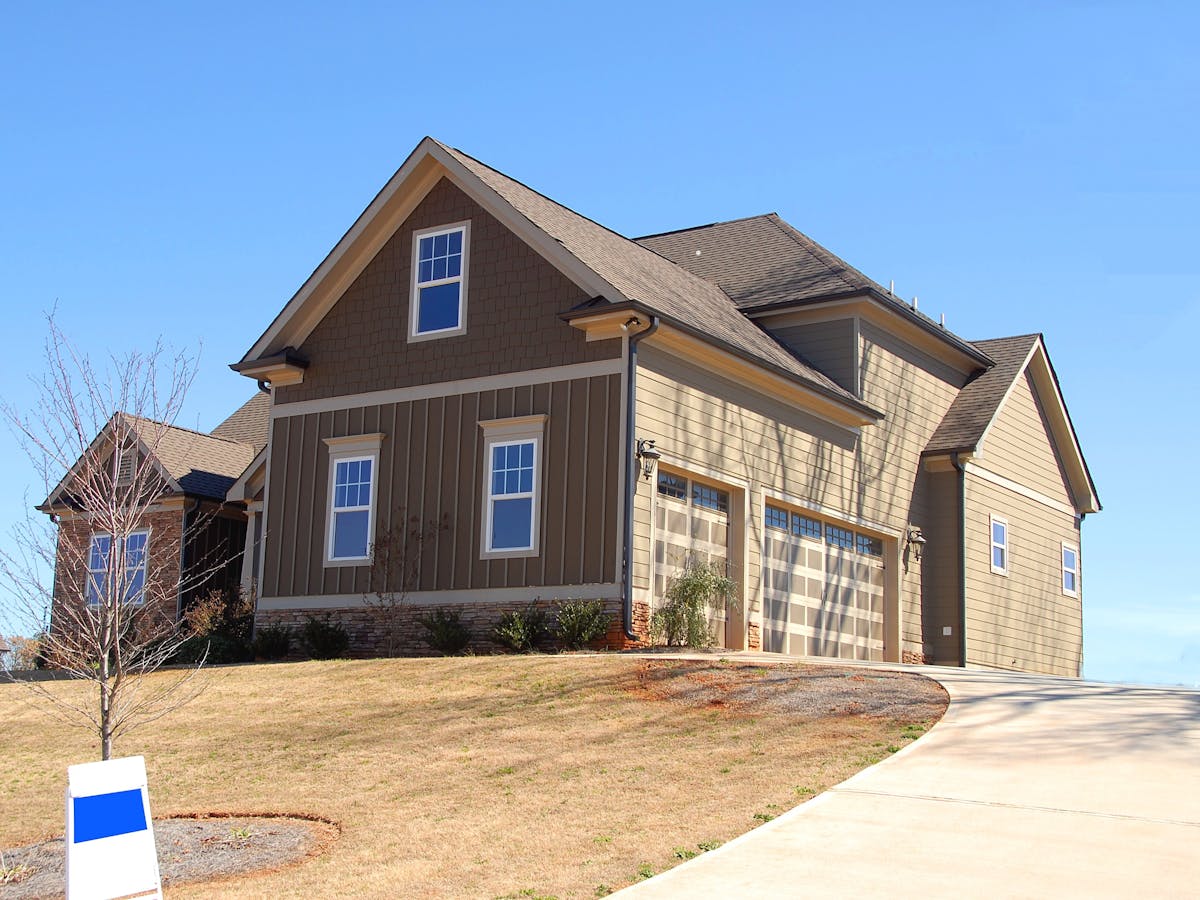
While everyone fixates on resale homes and the standoff between sellers who want 2022 prices and buyers who want 2019 rates, a quieter deal is sitting on the other side of the market. The big national homebuilders are doing something resale sellers structurally cannot do: they are buying down your interest rate with their own money. In the summer of 2026 that single difference is making a brand-new home cheaper to own, month for month, than a comparable used one — and most buyers do not even know to ask for it.
Why a builder can cut your rate and your neighbor selling his house cannot
A homeowner selling a resale property has one lever: the price. If your monthly payment is too high, the only thing he can do is drop the sticker number, and most sellers will sit on the market for months before they will do that, because cutting the price feels like a loss and it is visible to everyone. A production builder is a different animal. The builder is a business running on volume and quarterly closings, and it has a mortgage arm — Lennar has its own lender, D.R. Horton has DHI Mortgage, PulteGroup has Pulte Mortgage. That captive lender lets the builder spend money buying down your rate instead of cutting the home's price, which keeps the comparable values in the subdivision from collapsing while still lowering your payment.
So the builder will advertise something like a 4.99% fixed rate, or a 2-1 buydown, on a house where the prevailing market rate is well over 6%. That is not a teaser gimmick on a permanent loan — it is a real, locked, often permanent rate the builder paid points to get. The cost shows up in the builder's margin, not on the closing disclosure as something you owe.
The two buydown structures, and which one to take
You will be offered one of two things, and the difference matters a lot. A permanent buydown lowers your rate for the entire life of the loan. A 2-1 temporary buydown lowers it by two points in year one and one point in year two, then it snaps back to the full note rate in year three. The 2-1 makes for a great-looking first-year payment, and builders love advertising it because the headline number is tiny.
Take the permanent buydown if it is offered, every time. The temporary buydown is a bet that you will refinance before year three, and if rates do not cooperate, you are suddenly facing a payment hundreds of dollars higher than the one you budgeted for. The permanent rate is yours no matter what the market does. If a builder pushes the 2-1 hard, that usually tells you the permanent option costs them more and is therefore the better value for you — ask for it directly.
Where the incentive money is actually deepest right now
The buydowns are richest in the markets that overbuilt during the boom and are now sitting on standing inventory. The builders in parts of Texas, Florida, and the Phoenix and Charlotte metros are carrying finished, unsold homes, and a finished home costs the builder money every month it sits — interest on the construction loan, taxes, insurance, the sales staff. That carrying cost is the buyer's leverage. A spec home that is already built and 90 days from being a problem on the builder's books is where you will find a permanent rate buydown stacked on top of $15,000 to $40,000 in closing-cost credits and free upgrades.
Build-to-order is a worse deal than a standing spec. The house the builder needs gone this quarter is the one with the incentive money on it. The house you design from a lot map carries less urgency for them, so the credits shrink.
The trap inside the deal
Here is the catch, and it is a real one. The big incentive almost always requires you to use the builder's in-house lender. That captive lender is how the builder funds the buydown, so it is not negotiable, and the builder will frequently tie the largest closing-cost credit to financing through them. The honest move is to get a genuine loan estimate from an outside lender — a credit union, an independent broker — and put it next to the builder's offer. Compare the total cost: the rate, the lender fees, the origination charges, and the value of the credits, all together. Often the builder's package genuinely wins because the buydown is so large. Sometimes the builder's lender pads the fees enough that the outside loan at a slightly higher rate is cheaper over five years. You will not know which until you force the comparison, and the builder is counting on you not bothering.
What this means if you are buying this summer
Do not walk into a builder's model home and accept the first number on the flyer. Ask three questions the sales agent is trained to answer only if pushed: is the advertised rate a permanent buydown or a temporary one, what is the credit if I bring my own financing, and which standing inventory homes carry the biggest incentive this month. Then take the best standing-spec offer and benchmark the builder's lender against one outside quote. New construction in 2026 is not automatically the smart buy — but in the overbuilt metros, a new home with a permanent rate in the high-4s and forty grand in credits is the best monthly-cost deal on the board, and it is hiding in plain sight while everyone argues about resale prices.