Indianapolis Multifamily Cap Rates Reach 7% in 2026
Indianapolis multifamily cap rates reached 7.0% in Q1 2026, attracting value-focused investors as coastal metros compress below 5.5%.
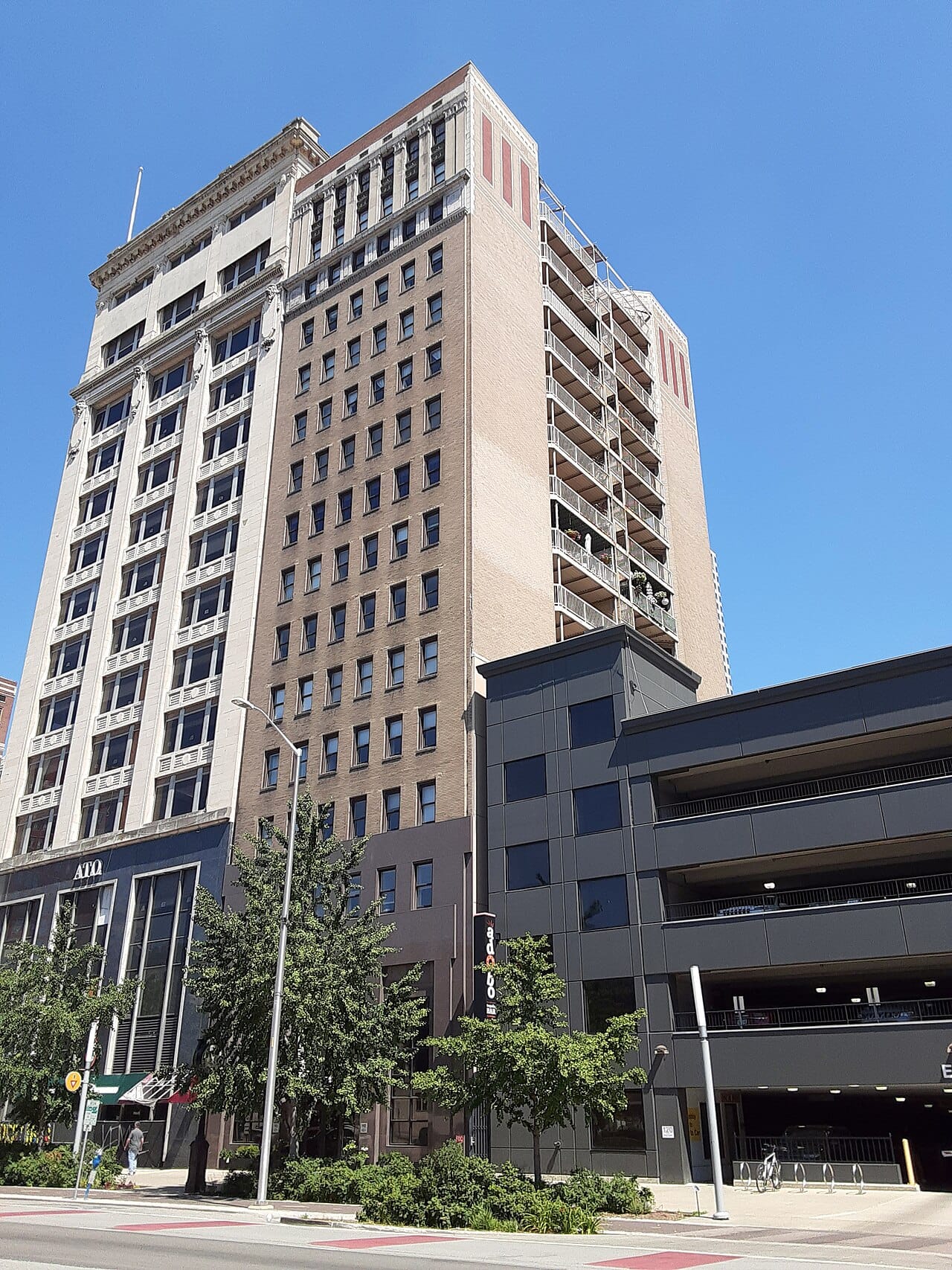
Indianapolis multifamily cap rates reached 7.0% in the first quarter of 2026, attracting value-focused investors as coastal metros compressed to below 5.5%. CBRE Capital Markets included the Indianapolis figure in its quarterly report published April 10. The cap rate represented a 20-basis-point widening from the prior year despite the overall national trend toward compression.
The widening reflects continued capital prioritization of gateway markets. Institutional buyers have focused incremental capital on Boston, New York, Washington D.C., and top Sun Belt metros, creating opportunity for mid-market private capital to access value-tier stabilized properties in Midwest metros at wider initial returns.
"Indianapolis represents one of the most compelling spread opportunities for yield-focused multifamily investors today," said Mary Ellen Hagan, senior vice president at Newmark's multifamily capital markets group. Hagan pointed to the metro's steady rental demand, low development-cost baseline, and absence of oversupply as structural supports.
Transaction volume in the metro reached approximately $410 million in Q1, concentrated in mid-size stabilized assets between 150 and 400 units. The average acquisition price per unit came in at $148,000, roughly half the national average. Rent growth in Class B properties ran at 3.4% year-over-year, outpacing the national Class B figure of 1.8%.
Property operating fundamentals have supported the investor thesis. Yardi Matrix data showed Indianapolis multifamily vacancy at 5.2% in March, tighter than the 6.8% national average. Rent-to-income ratios averaged 23% across the metro, leaving rental affordability buffer considerably broader than in coastal peers.
Private-capital buyers dominated Q1 activity. Family offices, regional real estate sponsors, and small institutional funds accounted for 78% of transaction volume. Notable private-capital acquisitions included a 328-unit garden-style portfolio in suburban Noblesville by an East Coast family office, and a 412-unit urban mid-rise in downtown Indianapolis acquired by a Chicago-based private sponsor.
The wider cap rates do not necessarily translate to wider eventual total returns. Kurt Holwerda, a Chicago-based multifamily underwriter at Brookfield Properties, cautioned that exit cap rates in secondary markets typically drift higher over holding periods. Holwerda said underwriting for 25-basis-point exit widening over five years is common in Indianapolis transactions.
Recent multifamily supply has remained measured. Yardi Matrix projected Indianapolis multifamily deliveries of 3,400 units in 2026, down from 4,800 in 2025 and well below the metro's peak delivery year of 2022. Supply discipline combined with persistent household formation has kept occupancy elevated, offering operational visibility to new buyers.
Other Midwest metros with similar profiles continue to attract attention. Cleveland cap rates stood at 6.8%, Detroit at 6.9%, and St. Louis at 6.8% in Q1. Columbus, Ohio at 5.7% and Minneapolis at 5.3% priced more competitively, reflecting stronger recent population and employment growth. Chicago, a gateway market, held cap rates for Class A prime multifamily in the 5.3% range, consistent with other top-six metros.